The Octagon Is a Trading Pit
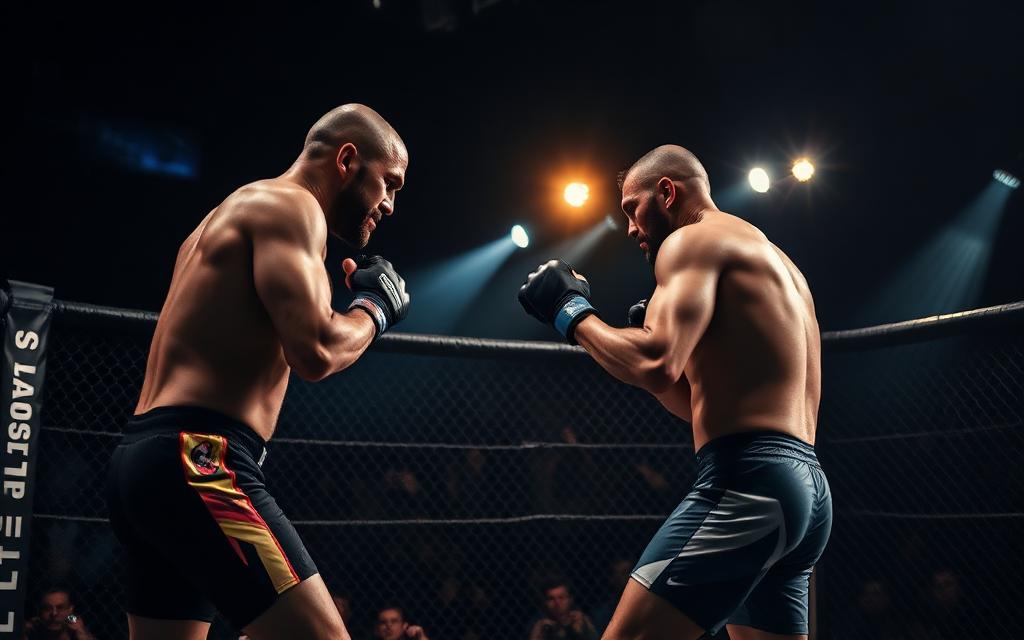
When you watch a UFC card, you're watching the most volatile market in sports. Two athletes, no team to buffer variance, and a single punch can end it all. That's not a spread-based sport — that's a binary option with knockout risk.
On the CBOE floor, we called these "event-driven trades." A binary outcome with massive implied volatility. And just like event-driven options, UFC odds are frequently mispriced.
How UFC Odds Work
Unlike team sports, UFC uses pure moneyline pricing. There are no spreads or totals in the traditional sense. A -250 favorite implies roughly 71% win probability. A +200 underdog implies 33%. The gap is the vig — the house edge.
Your job: Determine if the implied probability is accurate. If the market says 71% and your analysis says 65%, you have edge on the underdog.
Where the Market Gets It Wrong
### 1. Recency Bias A fighter coming off a spectacular knockout gets overpriced in their next fight. The public bets the highlight reel, not the matchup. A fighter's last performance is the LEAST predictive of their next one.
### 2. Name Value Premium Established names carry a 5-10% premium in the odds. A ranked veteran fighting an unranked rising prospect? The veteran is almost always overpriced. The market is paying for brand recognition, not fight analysis.
### 3. Style Matchups Are Everything A dominant wrestler facing a submission specialist creates a very different fight than two strikers. The market prices fighters as if their skills are universal — they're not. Style matchups change win probabilities by 15-20%.
The Weigh-In Edge
This is where real money is made. Weigh-ins happen 24-30 hours before the fight, and they reveal critical information:
- Missed weight: A fighter who misses weight by 2+ pounds was likely cutting too aggressively. Their cardio will suffer in later rounds.
- Drained appearance: Fighters who look gaunt at weigh-in often underperform. Compare their weigh-in photos to previous fights.
- The rehydration factor: Fighters who cut the most weight have the biggest rehydration advantage. Track how much each fighter typically cuts.
My UFC Process
- Analyze the style matchup (striker vs. wrestler, etc.)
- Check reach and height differentials (reach advantage > 3" is significant)
- Review each fighter's last 5 performances for consistency
- Watch for line movement in the 48 hours before the fight
- Check weigh-in results and adjust
- Size the bet using quarter-Kelly (UFC is HIGH variance)
Round Props: The Hidden Market
Method of victory and round props are where the real value lives. The main moneyline is efficient, but books are weaker on:
- Fight doesn't go the distance (usually underpriced for heavyweight fights)
- Specific round finishes (look for fighters with consistent finish timing)
- Method of victory (a wrestler being priced at +400 to win by submission is often value)
The Parlay Trap
Never parlay UFC favorites. A 3-leg parlay of -200 favorites seems safe, but each fight is independent with high variance. One upset — and upsets happen in 30%+ of fights — kills the entire ticket. If you must parlay, use underdogs where correlation exists (same training camp fighters on the same card).
*— Jon Najarian*